


Product and lot
Connect the unit-level identifier with the product and lot details in the record.
Move from a serial number to the product, lot, location and events associated with that item.
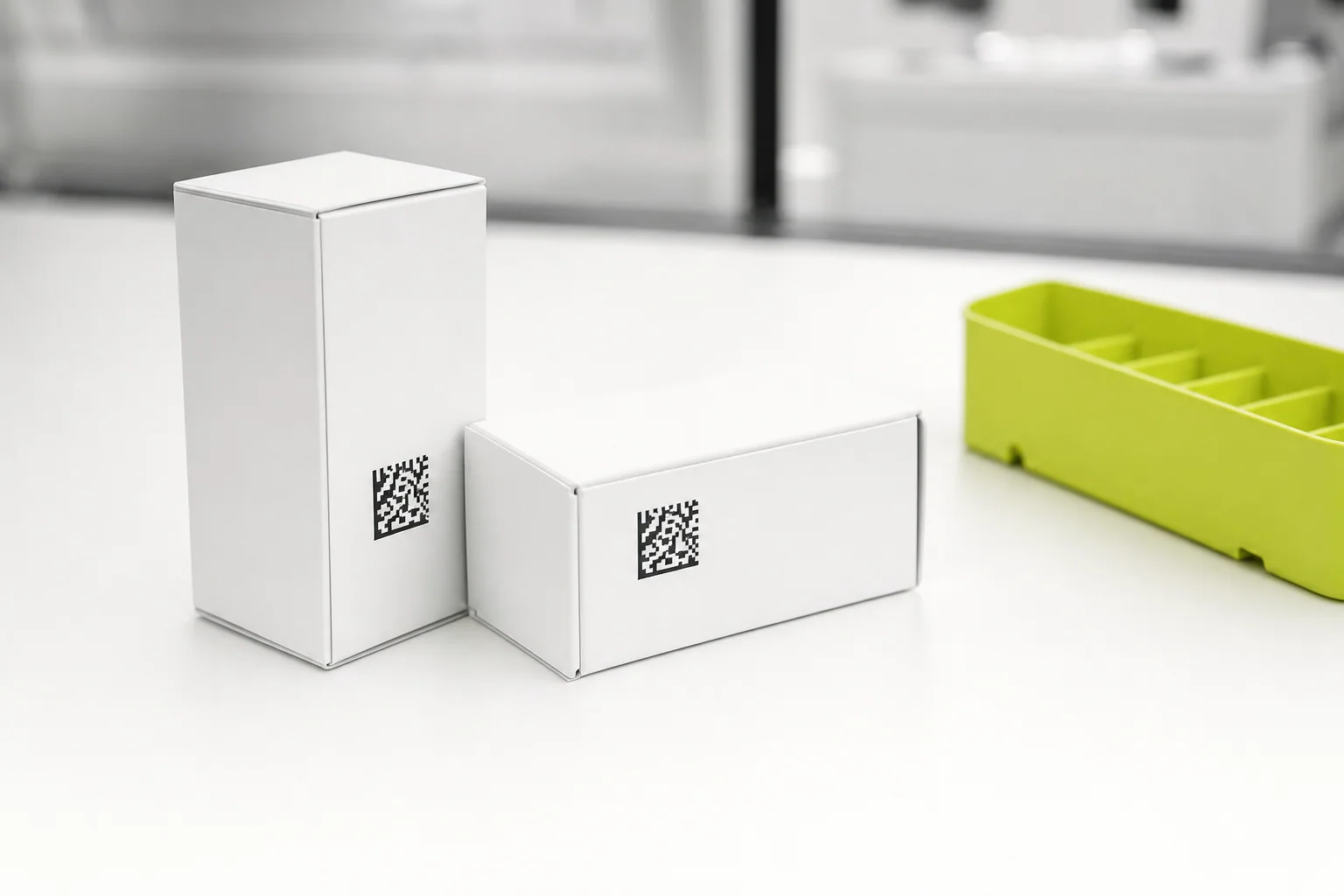 SAME DATA. FURTHER GOOD.
An item record gives operations a place to begin. Use the serial to find context, then follow the available activity rather than searching across unrelated documents.

Connect the unit-level identifier with the product and lot details in the record.
See the operational status and location associated with the item.
Follow the events and partner records available to your organization.
Two cartons can share a product code and lot while representing different units. The serial distinguishes the unit within the applicable product-identifier context. The lot, expiration, location and event history answer different operational questions; none should be treated as a substitute for the unit identity.
What type of medicine is represented?
Which batch and serialized item are involved?
What activity is recorded for that item?
Which source or recipient is associated with the data?
ILLUSTRATIVE WORKFLOW · THE IMPLEMENTATION FOLLOWS YOUR OPERATING REQUIREMENTS
Select a sample serialized item. Find it in inventory, inspect its location and lot, then review the receiving event. Repeat with an item that requires investigation. A useful evaluation shows both the normal path and the points where human review is needed.
| Record | What it tells you | What it does not replace |
|---|---|---|
| Product identifier | Which product is represented. | The identity of an individual unit. |
| Serial | Which unit, in its product context. | Lot information or event history. |
| Lot / expiration | Batch and expiry context. | Evidence of a specific movement. |
| Event and location | An activity recorded for the item. | A complete history from sources not available to you. |
The history available in a system depends on the records it receives and the access granted to the user. Identify the systems and trading partners that contribute information; do not assume a complete view of every external movement.
When investigating a unit, begin with the product and serial, then use lot and event information to narrow the question. If an activity is missing, identify which source should have provided it. A traceability history can only describe the records available to the organization; unexplained gaps should remain visible as questions to resolve.

No. A SKU commonly identifies a product type in a business catalog. A serial helps distinguish a particular unit within an identification scheme.
The Connect RX home includes an interactive product concept with sample inventory, item activity and outbound documents.

Connect a physical handoff with the item, event and document information behind it.
Explore receiving & shippingGive product, location and document issues an operational context your team can investigate.
Explore exception reviewConnect product identifiers, event data and trading-partner requirements in a clearly scoped exchange.
Explore epcis integrationYour systems. Your partners. The task you need to complete.
Discuss your workflow